


Blog
7 Mistakes You're Making When Shopping for Antique Wall Clocks (And How to Find the Perfect Timepiece)

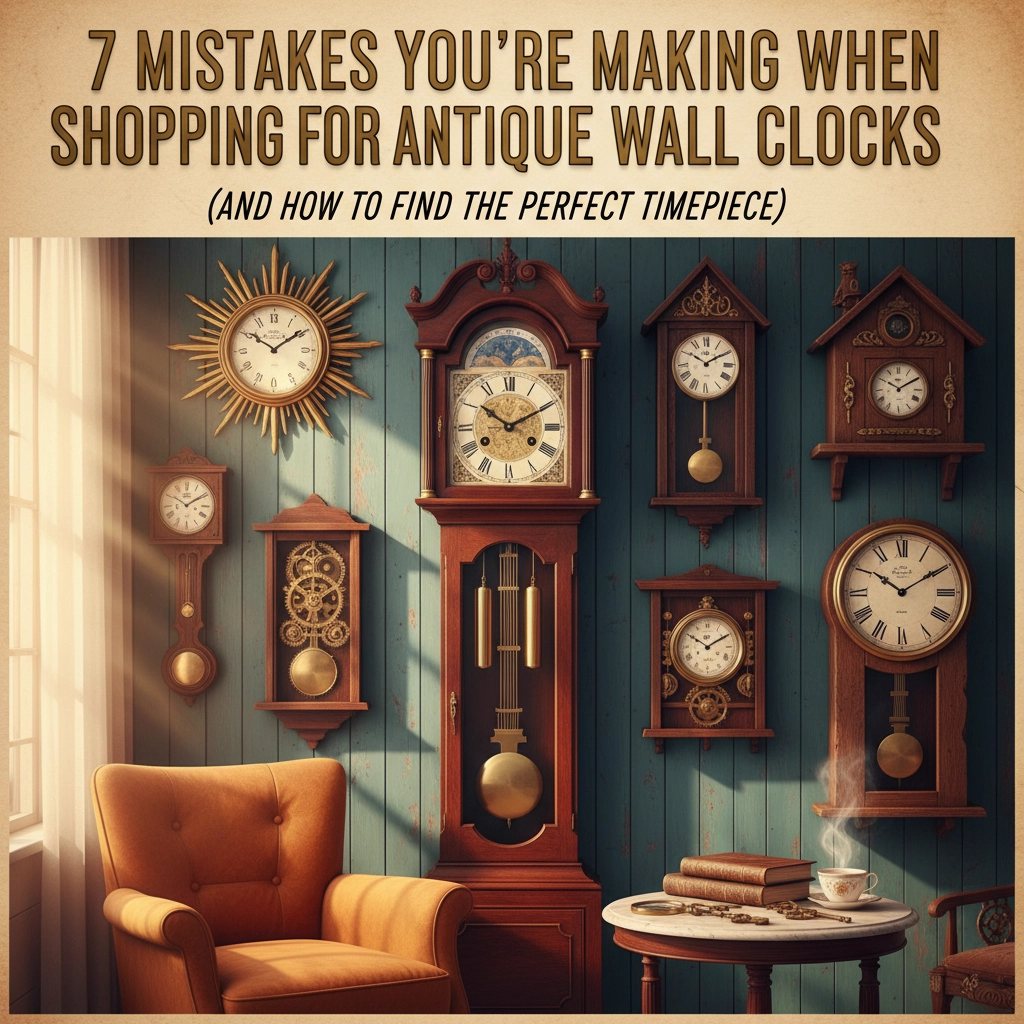
Listen up, time travelers! If you've been hunting for that perfect antique wall clock to grace your space, chances are you've been making some rookie mistakes that could cost you big time (pun totally intended). Whether you're after a stately grandfather's cousin or a charming kitchen ticker, these vintage beauties deserve more respect than a quick scroll-and-click purchase.
The good news? We're about to save you from clock-shopping disasters that'll have you ticking all the wrong boxes. Ready to become a timepiece detective? Let's dive into the seven biggest blunders people make when shopping for antique wall clocks, and how to avoid them like a pro.
Mistake #1: Ignoring the Maker's Mark (AKA Playing Clock Roulette)
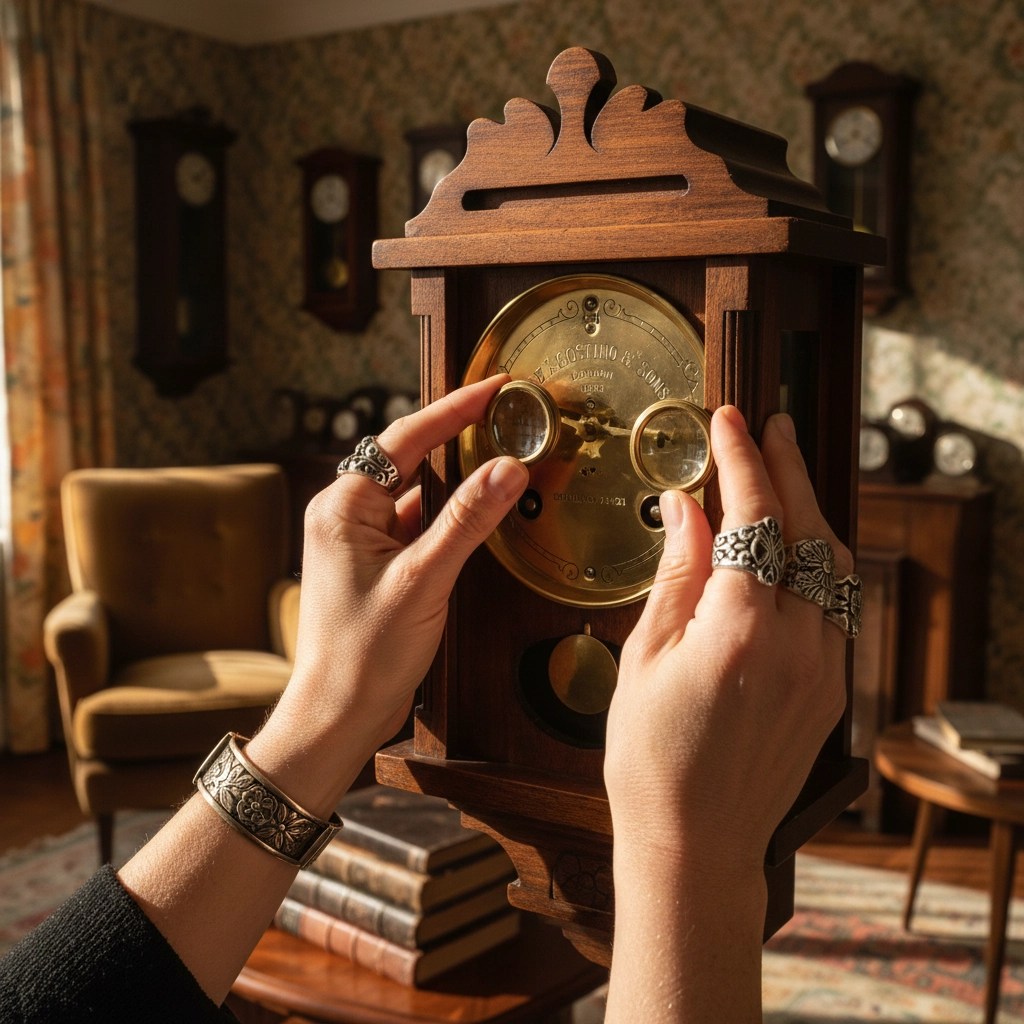
Here's the thing, authentic antique wall clocks are like vintage designer handbags. They've got signatures, baby! Yet so many folks completely skip over checking for maker's marks, essentially buying a mystery clock and hoping for the best.
The Fix: Channel your inner Sherlock Holmes and examine every inch of that timepiece. Look for engraved names, logos, or serial numbers on the dial, movement, or back of the case. Legendary makers like Seth Thomas, Ansonia, and Chelsea left their calling cards for a reason. No markings? Don't panic, some makers were modest. But if someone's claiming it's a rare Tiffany piece with zero proof, your skepticism radar should be screaming.
Pro tip: Snap photos of any markings you find and do a quick Google deep-dive. A five-minute research session could save you from a five-hundred-dollar fake-out.
Mistake #2: Falling for the "It Looks Old" Trap
Oh honey, if we had a nickel for every "antique" clock with plastic parts masquerading as the real deal… Newsflash: authentic pre-1940s clocks don't rock plastic components. If your "vintage" timepiece feels suspiciously light or sounds like a toy, you're probably holding a reproduction trying to pass for grandma's heirloom.
The Fix: Get touchy-feely with your potential purchase. Genuine antique wall clocks were crafted from wood (think rich oak, walnut, or mahogany), brass, metal, and glass. They should feel substantial: like they were built to last decades (because they were!). Run your fingers along the edges and surfaces. Quality craftsmanship doesn't cut corners, literally or figuratively.
Mistake #3: Buying a Pretty Face Without Checking the Heart
We get it: you fell in love with those gorgeous Roman numerals and ornate hands. But what's ticking inside? Too many buyers focus solely on aesthetics and completely ignore the mechanism. A clock that can't keep time is basically expensive wall art, and not the functional kind you want.
The Fix: Ask the seller when it was last serviced and whether it actually works. Listen to the tick: it should sound smooth and steady, not like a dying cricket. If possible, watch the hands move for a few minutes. Jerky movement or inconsistent ticking could mean expensive repairs ahead. Remember, you're buying a timepiece, not a decoration (unless that's specifically what you want, which is totally cool too).
Mistake #4: Expecting Museum-Perfect Condition
Plot twist: sometimes the "perfect" clock is the fake one! Authentic antique wall clocks should tell their story through gentle wear and patina. If a supposed 100-year-old clock looks like it just rolled off yesterday's assembly line, something's fishy.
The Fix: Embrace the character marks! Slight fading, minor scratches, and that gorgeous aged patina on brass components are signs of authenticity. These imperfections prove your clock lived a real life before finding you. However, draw the line at major damage: cracks, missing pieces, or significant structural issues can slash value by up to 80%. It's the difference between charming character and costly project.
Mistake #5: Not Doing Your Homework on the Seller
Buying antique wall clocks from sketchy sources is like dating someone who won't let you meet their friends: major red flag territory. Disreputable dealers love vague descriptions, blurry photos, and "as-is" sales that leave you stuck with expensive disappointments.
The Fix: Shop smart, not sorry! Research your seller's reputation like you're stalking your ex (but in a productive way). Read reviews, check their return policy, and ask pointed questions about the clock's history. Reputable dealers at Vintage & Antique Market will happily discuss provenance, provide clear photos, and back their claims with guarantees. If someone gets defensive about basic questions, that's your cue to clock out of that deal.
Mistake #6: Underestimating Restoration Reality
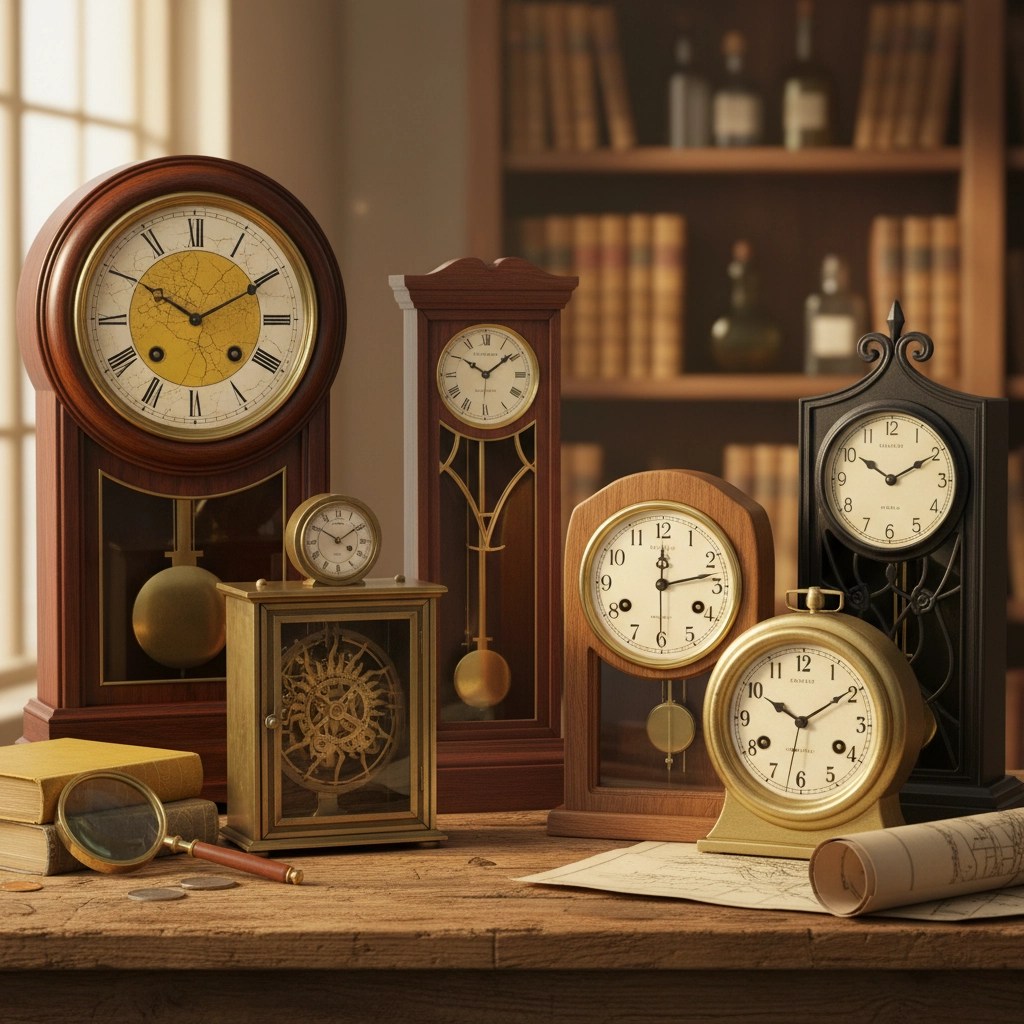
That bargain basement antique wall clock might seem like a steal until you discover it needs $300 worth of professional restoration. Many buyers snag "project clocks" without factoring in the time, money, and expertise required to bring them back to life.
The Fix: Budget like a boss! If you're eyeing a non-working clock, get quotes from local clock repair specialists before committing. Sometimes paying slightly more for a serviced, guaranteed timepiece beats the stress and surprise costs of a fixer-upper. Unless you're secretly a horological genius (in which case, we bow to your skills), factor restoration costs into your total investment.
Mistake #7: Getting Swept Away by Clock Fever
We've all been there: you find the "perfect" antique wall clock and suddenly you're ready to max out your credit card for it. Clock fever is real, folks, and it makes smart shoppers do silly things like skip inspections, ignore red flags, or buy impulsively without comparison shopping.
The Fix: Take a breath and slow your roll! Great antique wall clocks aren't going extinct tomorrow. Set a realistic budget before you start shopping and stick to it. Create a wishlist of must-have features versus nice-to-haves. Sleep on major purchases: if it's meant to be, it'll still feel right in the morning. Remember, the perfect clock for you is out there, but it doesn't have to be the first (or most expensive) one you see.
Time to Shop Like a Pro
Now that you're armed with insider knowledge, you're ready to hunt for antique wall clocks like the savvy collector you were meant to be! Remember, the best vintage timepieces combine authentic materials, solid craftsmanship, honest wear, and clear provenance. They're not just functional decor: they're conversation starters, history lessons, and sustainable style statements all rolled into one gorgeous package.
Whether you're browsing local estate sales or checking out antique wall clocks for sale online, these seven mistakes are now officially in your rearview mirror. Trust your instincts, do your research, and don't be afraid to walk away from deals that don't feel right.
The perfect antique wall clock is worth the wait: and when you find it, every glance at the time will remind you of your smart shopping victory. Now go forth and tick responsibly! ⏰